Reading · quiz · 15 min
Battery basics
What a battery does, cell versus module versus pack, the six numbers on a datasheet, and how this course works.
Free course · Beginner
Learn how a lithium-ion cell is built, how it is rated, how it is manufactured and why it ages — through short readings, interactive labs and practice quizzes.
Offered by Lemonergy · Open source under the AGPL
Chapter 1 · Syllabus
Take the core lessons in order. Optional lessons go deeper into the lesson before them.
Reading · quiz · 15 min
What a battery does, cell versus module versus pack, the six numbers on a datasheet, and how this course works.
Reading · interactive workbench · quiz · 35 min
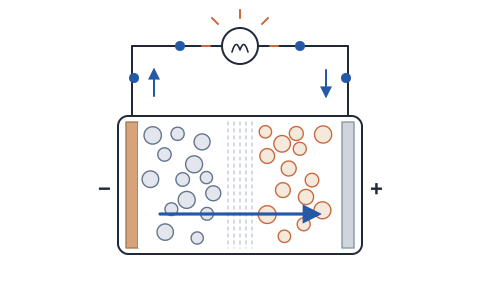
Name every part of a cell, follow electrons and lithium ions on discharge and charge, and see what an internal short is.
Reading · interactive tutorial · quiz · 40 min
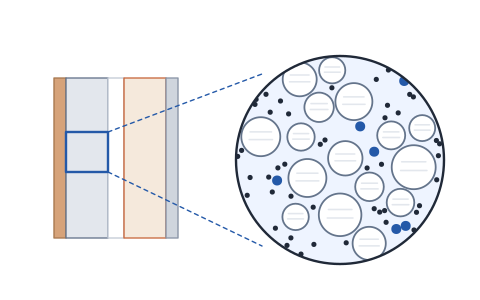
Zoom into porous electrodes, the separator and the electrolyte, and see why porosity trades energy for power.
Reading · calculators · quiz · 25 min
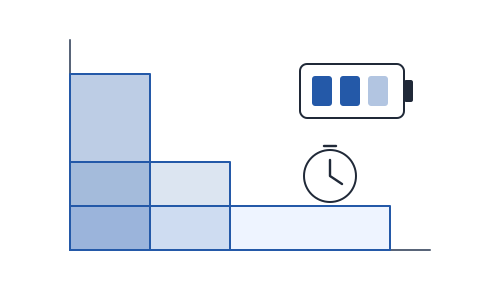
Connect capacity, current, ideal duration and energy with worked examples, three calculators and a practice quiz.
Prefer Python? Run the notebook.
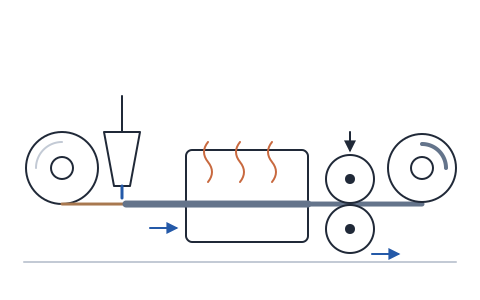
Reading · production simulator · quiz · 60 min
Walk the line from mixing and coating through the dry room to formation, aging and testing, and link each step to cell quality.
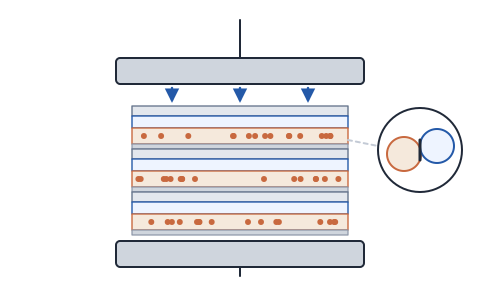
Reading · route simulator · quiz · 45 min
Compare oxide, sulfide, halide and polymer electrolytes, and see which production steps disappear and which appear.
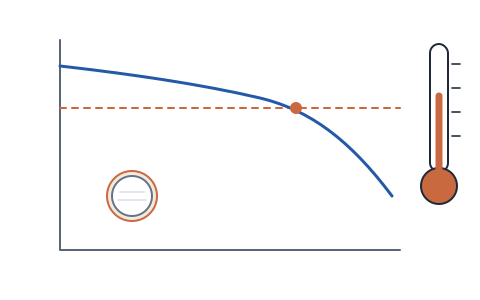
Reading · 9 interactive panels · quiz · 70 min
See how degradation mechanisms change capacity, impedance and self-discharge with temperature and cycling.
Prefer Python? Run the notebook.
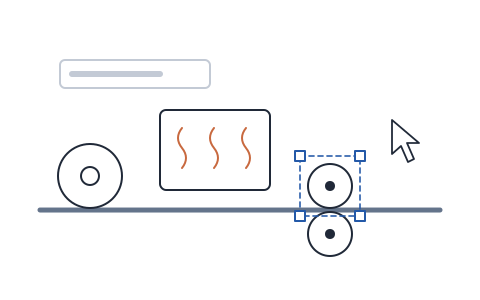
Browser editor
Reposition, rename and resize the machine diagrams Lesson 3 draws, or start a new process step from the template.
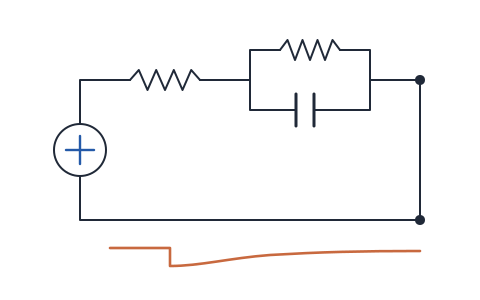
Lessons · Python models
From terminal-voltage conventions and OCV to R0, one-RC and multiple-RC models, identification and validation.
More to explore
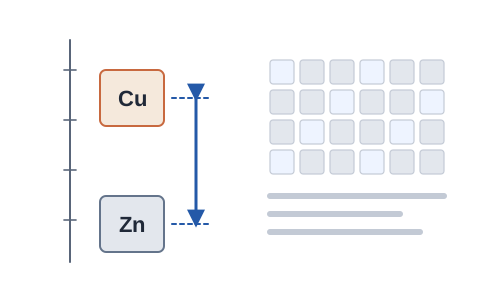
Interactive lab
Build a Zn/Cu cell, change voltage references, see the water stability window and compare electrode materials.
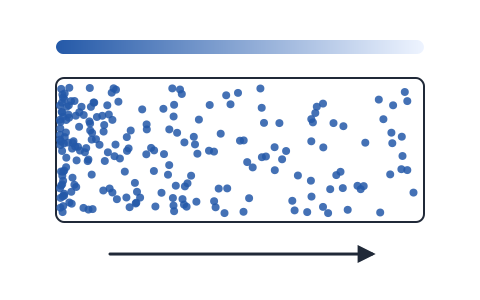
Reading · calculator
Compute a diffusive flux with the right units and sign, and see what the law leaves out. Prefer Python? Run the notebook.
Interactive labs
The cell anatomy workbench, the cell architecture tutorial, and the two production simulators, CellForge and SolidForge.
Final exam
Twenty questions across the whole course, marked in your browser. Pass and print a statement of completion.
Reference
The formulas, rules and typical numbers from the course on one printable page.
Reference
55 battery terms in plain language, each linked to the lesson that teaches it.
How this course works
Short readings and interactive labs. Every lesson states its assumptions, units and limits.
Every lesson has practice questions. Numeric ones are marked in your browser with fresh numbers each time; written answers you check against a model answer.
Mark lessons complete and see your progress on the syllabus. It stays in your browser. A free sign-up with your email opens the labs, quizzes and exam.